
Introduction to container information
Container information is a common term in the logistics and international transportation field, referring to containers used to package and transport goods across various modes such as ships, trucks, or roads. These container information include data on dimensions, weight, cargo codes, and related safety standards. In the context of Vietnam's increasingly expanding economy, understanding container information plays an extremely important role for import-export businesses, helping optimize operations, reduce risks, and enhance competitiveness in the international market. In addition, in the technology field, container information also related to data management systems, cargo tracking and monitoring software, contributing to the modernization of Vietnam's logistics industry.
Understanding container information not only helps transport businesses but also supports managers in planning and allocating resources effectively. This is also closely related to teaching in subjects such as Lesson 21 Informatics 10where students are introduced to data management tools and the application of information technology in practice. Through this, students can gain a deeper understanding of the role of technology in managing container information and modern logistics processes.
You can learn more about hubet to clearly understand container-related information easily.
You can learn more about king33 to clearly understand container-related information.
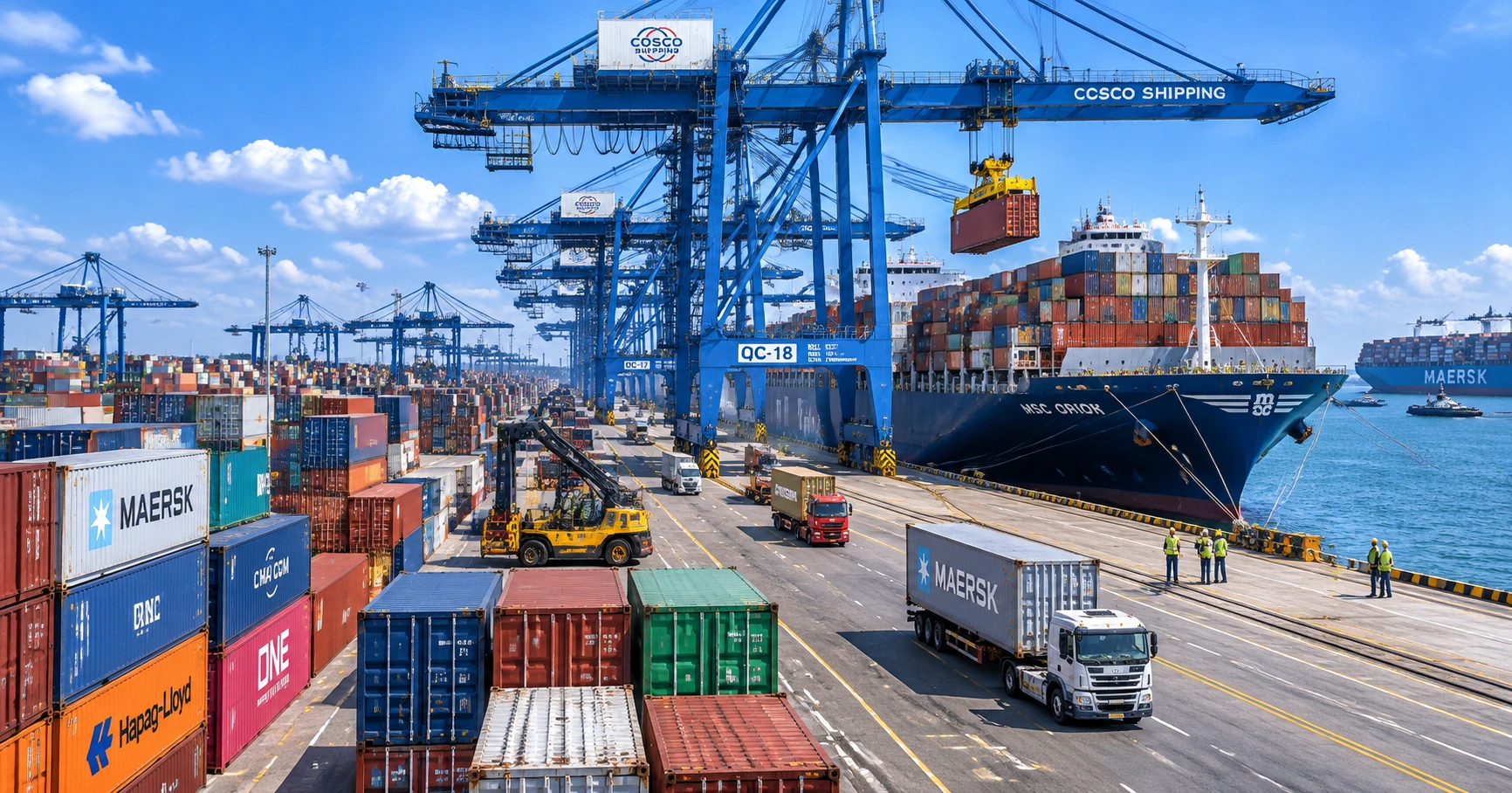
Applications of container information
In the transport industry, container information helps businesses track routes, control goods, manage inventory, and optimize operating costs. The data system about container information also supports forecasting, analysis, and planning based on recorded parameters. In particular, in Vietnam, where there are many major seaports such as Hai Phong Port, TP.HCM, and Quy Nhon, updating container information accurately helps reduce waiting time and increase productivity. In addition, in the technology field, management software container information also integrates automation capabilities, connects with IoT systems, and helps remotely control containers effectively.
Not only that, container information also plays an important role in supporting credit institutions and banks in assessing credit risks related to the transport and import-export sectors. Understanding the role of credit in the supply chain, banks can make more accurate financial decisions, helping transport businesses gain additional capital to develop and expand their operations. This creates a positive cycle for the economy, promoting the sustainable development of the logistics industry as a whole.
Data and statistics related to container information
| Container Type | Size | Maximum weight | Inventory quantity | Goods code |
|---|---|---|---|---|
| 20ft | 6.06m x 2.44m x 2.59m | 28,200 kg | 1200 | HD123456 |
| 40ft | 12.19m x 2.44m x 2.59m | 30,480 kg | 950 | HD654321 |
| High Cube 40ft | 12.19m x 2.44m x 2.90m | 30,480 kg | 870 | HD987654 |
Scalability and development potential of container information
With the rapid development of digital technology, container information is being deeply integrated with intelligent management systems, helping enhance scalability and future development potential. Solutions such as blockchain, artificial intelligence (AI), and the Internet of Things (IoT) are being applied to increase transparency and efficiency in container management. This not only helps reduce errors but also optimizes the supply chain, bringing great benefits to transport and logistics businesses.
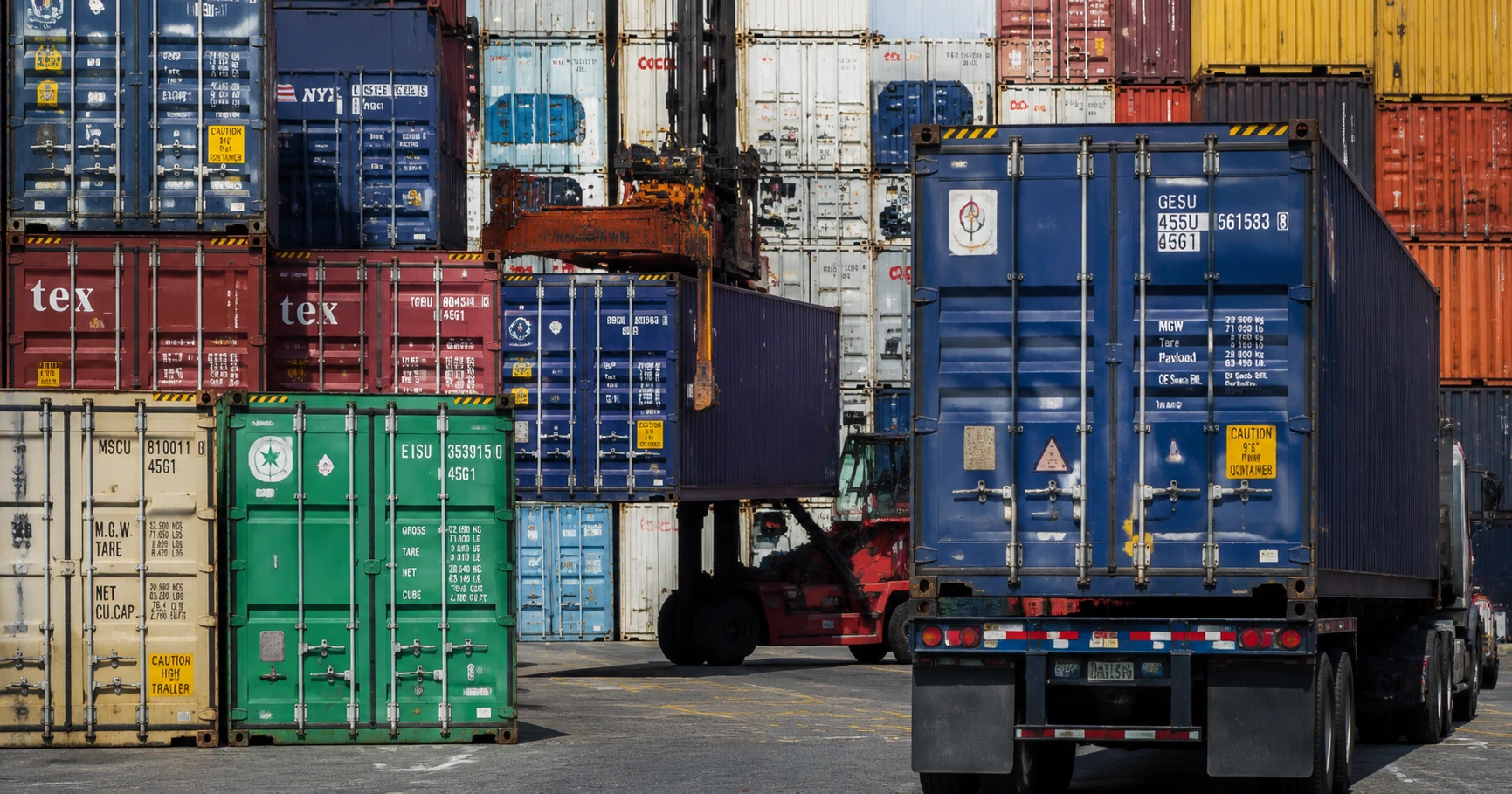
In addition, training human resources with knowledge about Lesson 21 Informatics 10 and related data management skills related to container information are increasingly emphasized. This is a key factor in ensuring the sustainable development of the logistics industry in the context of current international economic integration.
Environment and market trends related to container information
In the context of globalization and the continuous growth of e-commerce, the demand for management container information accurate and efficient is increasing. Transport and logistics businesses in Vietnam are facing many challenges such as fluctuations in freight rates, pressure to protect the environment, and requirements for faster delivery speeds. Therefore, the application of technology in management container information not only helps improve business efficiency but also contributes to minimizing negative impacts on the environment.
At the same time, the role of credit in financial support for transport businesses is also becoming clearer. Preferential credit policies and financial support packages are designed to promote technological innovation and enhance the competitiveness of the Vietnamese logistics industry. This is a great opportunity for businesses to fully exploit the potential of container information in sustainable development.
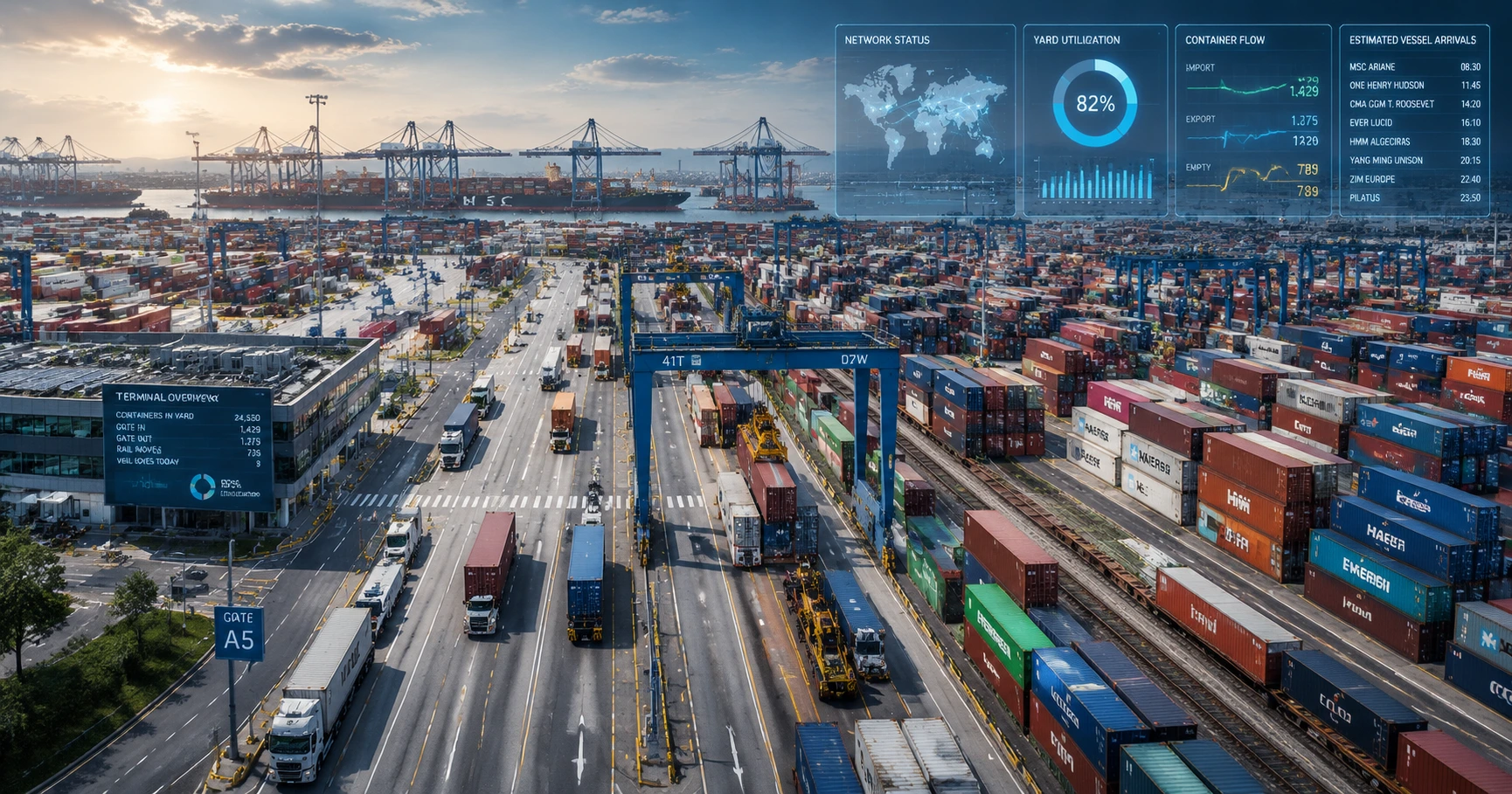
In summary, container information is not only a technical factor in transport but also an important bridge between technology, economics, and the environment, contributing to the comprehensive development of the Vietnamese logistics industry in the future.